
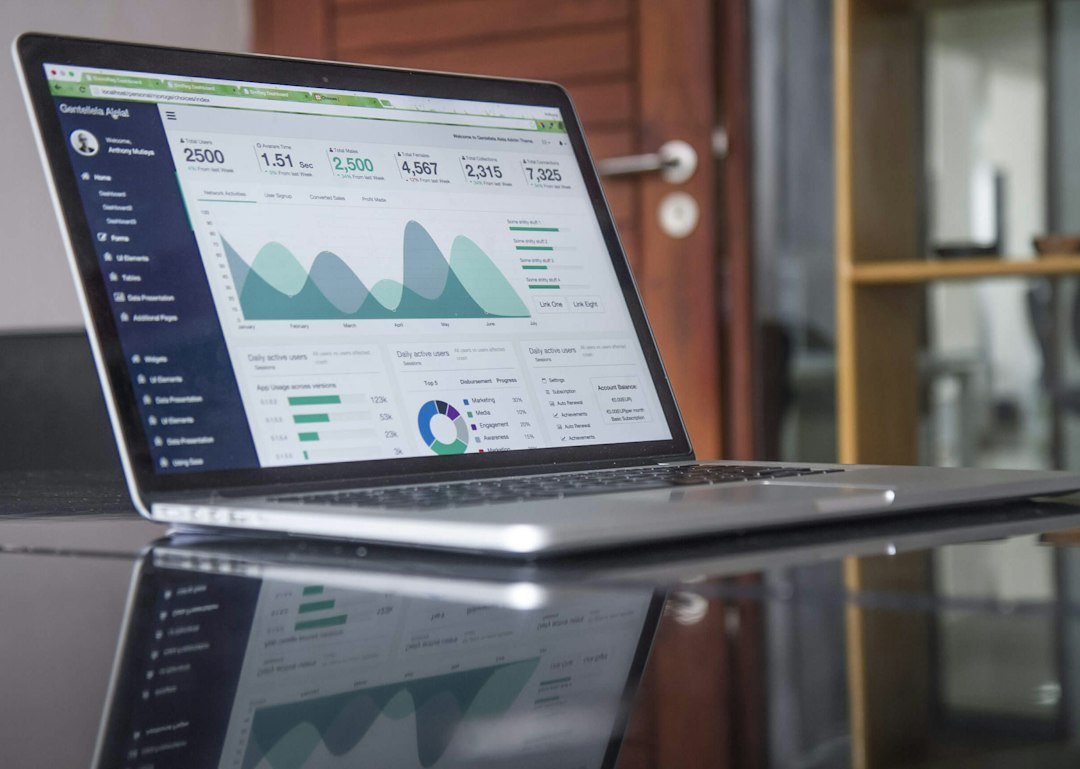
Having a website and posting on social media are useful starting points. But in 2026, a successful digital marketing strategy must do more: reach the right audience, earn trust, convert interest into qualified enquiries, and demonstrate business impact.
Why an online presence alone is not enough
Traffic, impressions and followers are indicators—not business outcomes. A service business can attract thousands of visitors yet generate few enquiries if its messaging, targeting or conversion journey is weak. Start with a measurable objective, such as qualified enquiries, booked consultations or profitable sales.
1. Build an SEO strategy around search intent
Search engine optimization helps customers discover your business when they need a solution. Focus on useful service pages, clear site architecture, relevant location pages where appropriate, mobile usability and technical health.
- Research commercial and informational keywords your buyers actually use.
- Create original content that answers questions and demonstrates expertise.
- Improve titles, internal links, page speed and indexability.
- For local businesses, maintain accurate Google Business Profile information and genuine reviews.
Measure: organic qualified enquiries, conversions by landing page, and non-branded search visibility—not rankings alone.
2. Use Google Ads and Meta Ads with conversion tracking
Google Ads can capture existing demand from people searching for solutions. Meta advertising can introduce offers to relevant audiences and nurture interest. Neither channel guarantees sales: results depend on audience quality, creative, landing pages, budget and follow-up.
Connect campaign tracking with forms, calls and CRM outcomes. Review search terms, exclude irrelevant traffic where appropriate, test creative, and optimize for qualified leads rather than the cheapest form submissions.
3. Turn your website into a conversion-focused experience
Visitors should understand what you offer, who it is for and what to do next within seconds. Make the site fast, mobile-friendly and easy to navigate. Include clear calls to action, relevant FAQs, accessible contact forms and authentic evidence such as verified testimonials or case studies.
For international audiences, make service availability and enquiry options clear. Country-code-enabled phone fields and transparent contact details can reduce friction for overseas prospects.
4. Use social media to build authority—not just reach
A consistent content program can educate buyers, answer objections and showcase expertise. Mix practical how-to content, behind-the-scenes insights, real examples and offers. Choose platforms based on your audience rather than posting everywhere.
For B2B companies, LinkedIn can support thought leadership and relationship building; Instagram and Facebook can help many consumer-facing and local brands engage audiences.
5. Apply AI thoughtfully
AI can speed up research, content outlines, audience analysis, reporting and routine follow-up. Human review remains essential for accuracy, originality, brand voice and customer privacy. Use automation to improve responsiveness without turning every interaction into a generic message.
6. Track the metrics that affect revenue
- Qualified leads: enquiries that match your target customer profile.
- Cost per qualified lead: marketing spend divided by qualified enquiries.
- Lead-to-customer conversion rate: how effectively sales follow-up turns opportunities into customers.
- Customer acquisition cost: the combined cost of acquiring a customer.
- Return on ad spend: attributed revenue divided by advertising spend, interpreted with attribution limitations.
Connect analytics, ad platforms and your CRM where possible. Review results by channel and landing page, and account for lead quality and sales cycle length before shifting budgets.
A practical 90-day digital marketing roadmap
Days 1–30: Audit and measure
Define your ideal customers, audit existing traffic and campaigns, check technical SEO, refine your offer, and validate conversion tracking and enquiry attribution.
Days 31–60: Improve and launch
Update priority service pages, improve calls to action, publish helpful content and test focused paid campaigns with clear landing pages.
Days 61–90: Optimize and scale
Review qualified leads, conversion rates and acquisition costs. Improve underperforming pages and campaigns, document learnings and scale only what demonstrates promising economics.
Frequently asked questions
Is SEO or paid advertising better for a small business?
SEO can build long-term discoverability, while paid advertising can test offers and reach audiences faster. The best mix depends on your budget, competition, sales cycle and goals.
How long does digital marketing take to work?
Paid campaigns can generate data quickly, but optimizing for qualified customers takes testing. SEO often requires sustained work over months. There is no universal timeline or guaranteed result.
What should businesses prioritize first?
Start with a clear offer, a usable website, reliable conversion measurement and one or two channels that fit your customers.
Explore related digital marketing services
Looking for specialist support? Explore our gym digital marketing services, bakery and cake shop marketing, and regional guides to digital marketing in the USA and digital marketing in Canada.
Final thoughts
In 2026, digital marketing is not about being everywhere. It is about reaching the right people, building credibility and improving measurable outcomes through continuous testing.
Need a growth-focused digital marketing strategy? Digilites Studio helps businesses with SEO, Google Ads, Meta Ads, social media marketing, branding, website development and lead generation. Contact our team to discuss your goals.